Feudal Society: Volume 1
Marc Bloch's definitive study of the social structures of the Middle Ages, moving beyond legal dates to explore the 'mental climate' and ties of dependence that defined a continent.
Marc Bloch's definitive study of the social structures of the Middle Ages, moving beyond legal dates to explore the 'mental climate' and ties of dependence that defined a continent.
Marc Bloch's definitive study of the social structures of the Middle Ages, moving beyond legal dates to explore the 'mental climate' and ties of dependence that defined a continent.
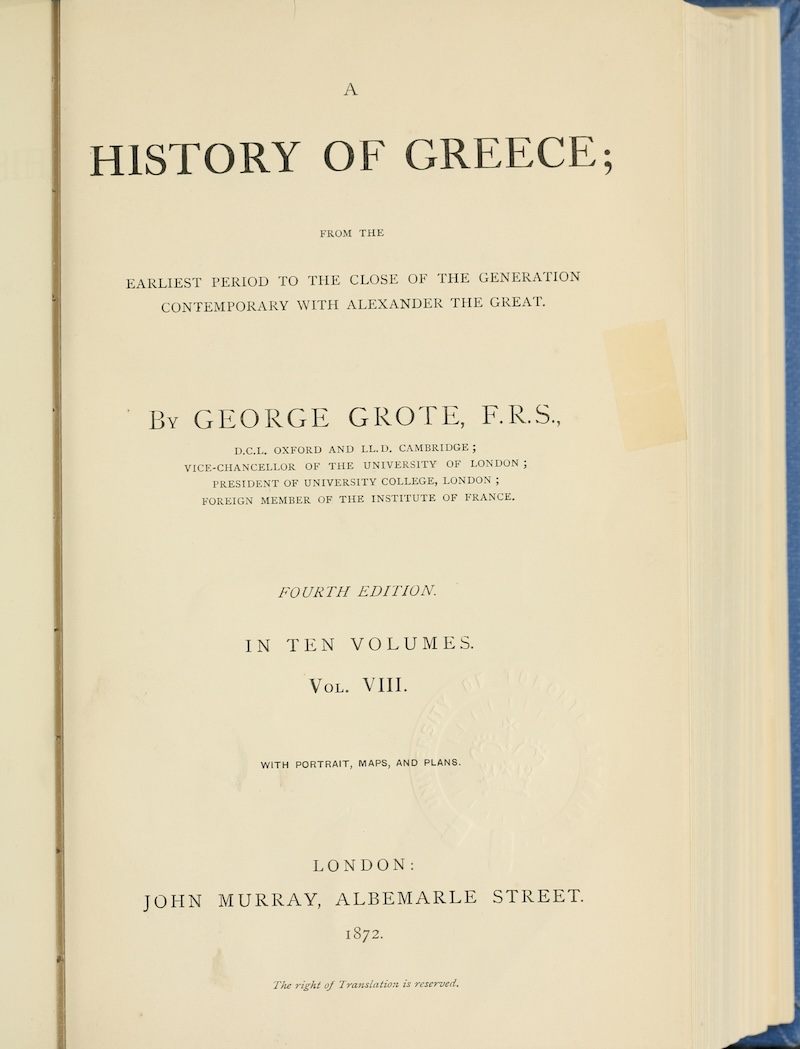
Chapter LXVII of George Grote's monumental History of Greece — examining the flowering of Athenian drama alongside the rise of rhetoric, dialectics, and the Sophist movement.
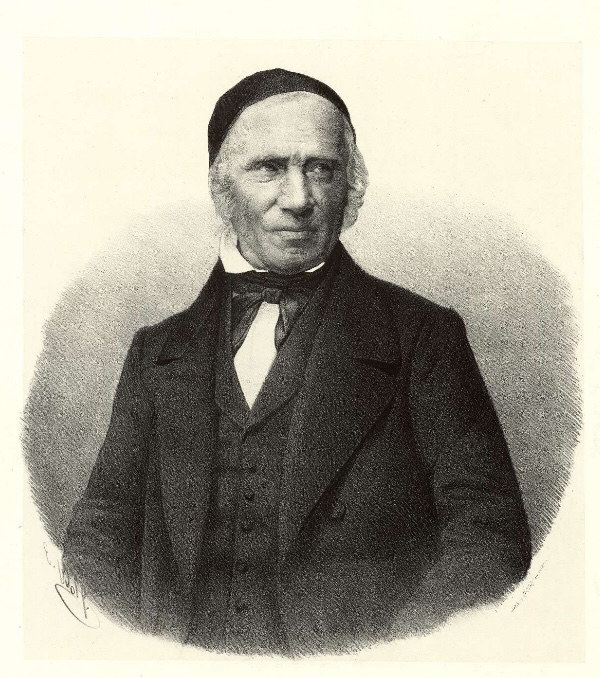
Jacob Burckhardt's magisterial survey of ancient Greek civilization, examining its art, religion, politics, and poetry as expressions of a unified cultural spirit that set the foundations of Western thought.
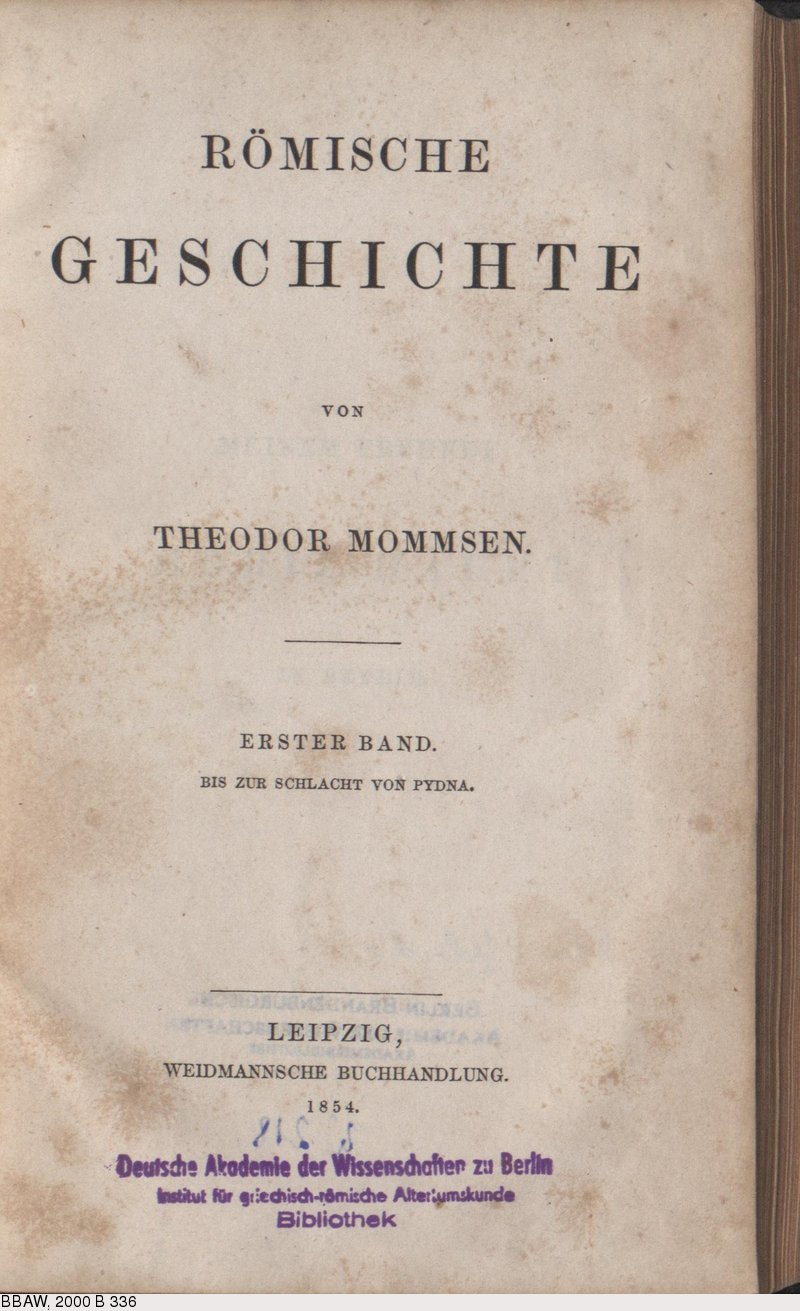
A survey of the Rise of the Roman Republic, focusing on the internal political struggles and the monumental shift from oligarchy to the rise of the Caesars.
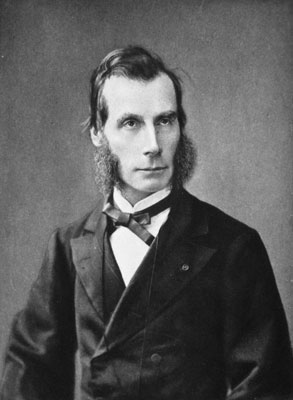
Fustel de Coulanges's landmark study tracing the origins of Greek and Roman civic life to their religious foundations, arguing that the ancient city was shaped above all by sacred rites, ancestor worship, and the domestic hearth.
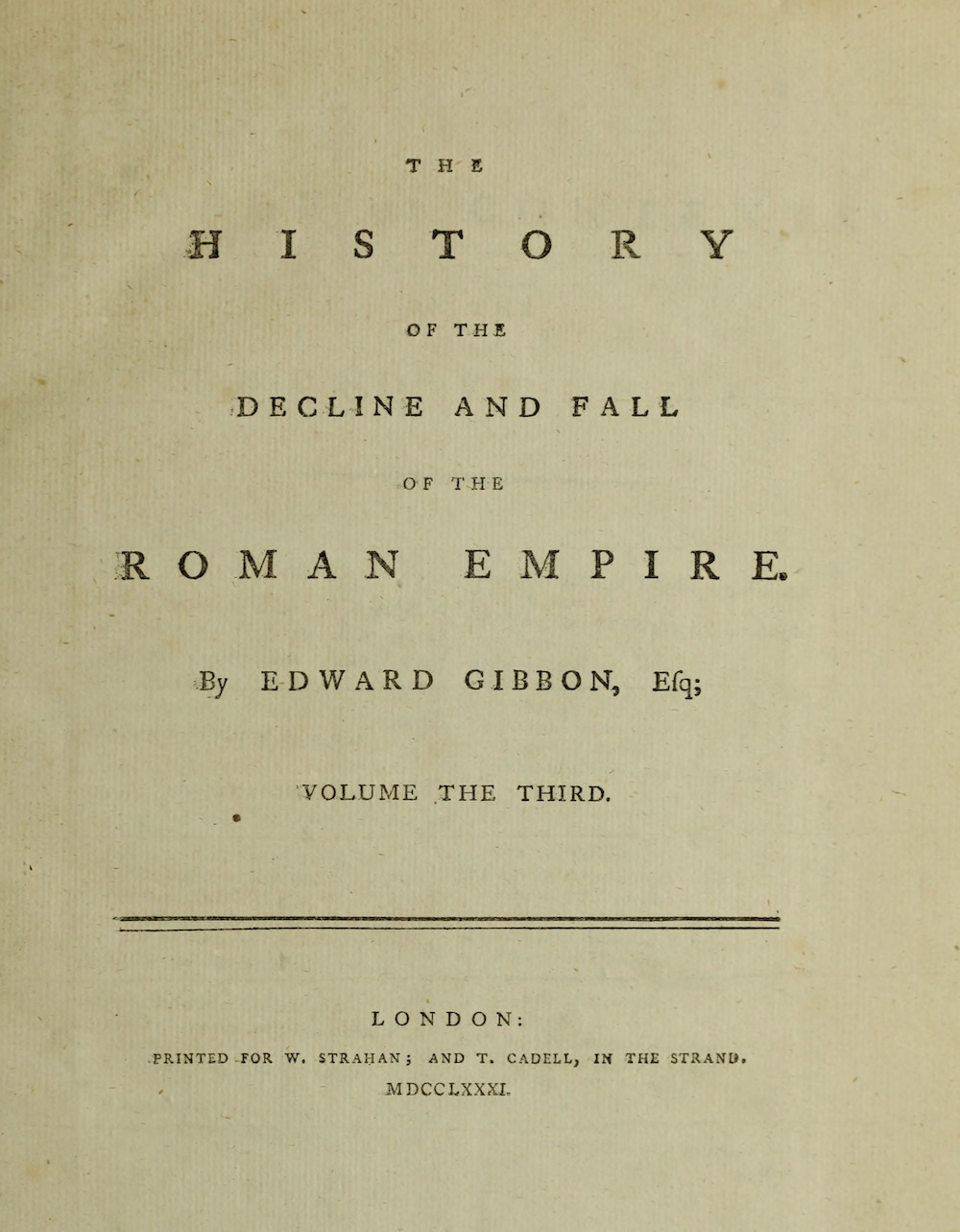
Edward Gibbon’s celebrated postscript to Chapter XXXVIII where he synthesizes the primary causes of Rome’s decay and reflects on the future of European civilization.
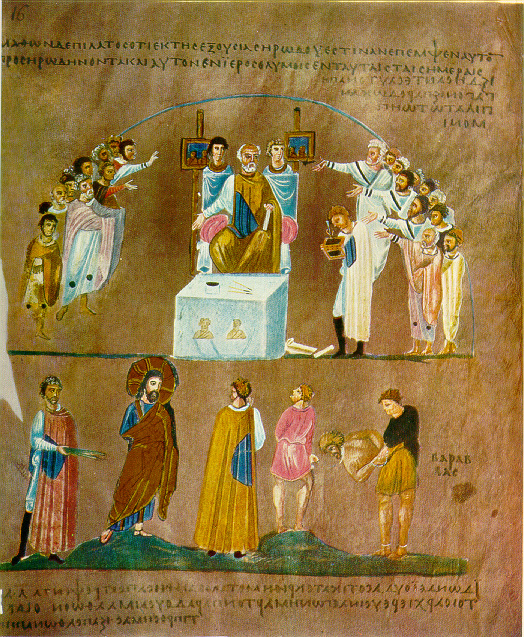
Chapter XVI of Edward Gibbon’s The History of the Decline and Fall of the Roman Empire examines the conduct of the Roman government toward the Christians from the reign of Nero to that of Constantine.
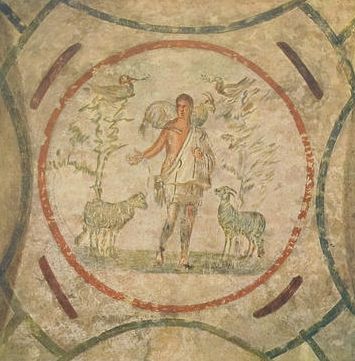
Chapter XV of Edward Gibbon's The History of the Decline and Fall of the Roman Empire examines the progress of the Christian religion and the sentiments, manners, numbers, and condition of the primitive Christians.
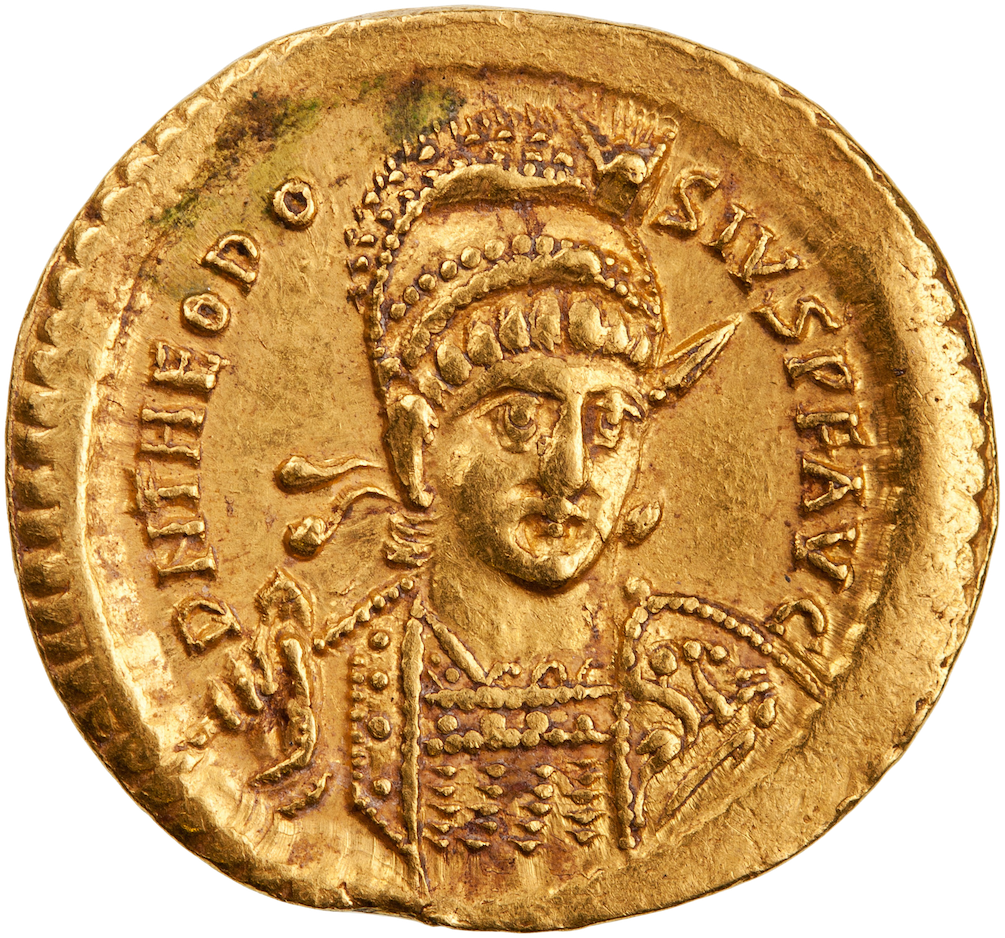
The first volume of J.B. Bury's authoritative history of the Later Roman Empire, covering the reigns from the death of Theodosius I through the accession of Anastasius — an age of barbarian pressure, dynastic crisis, and the definitive parting of East and West.
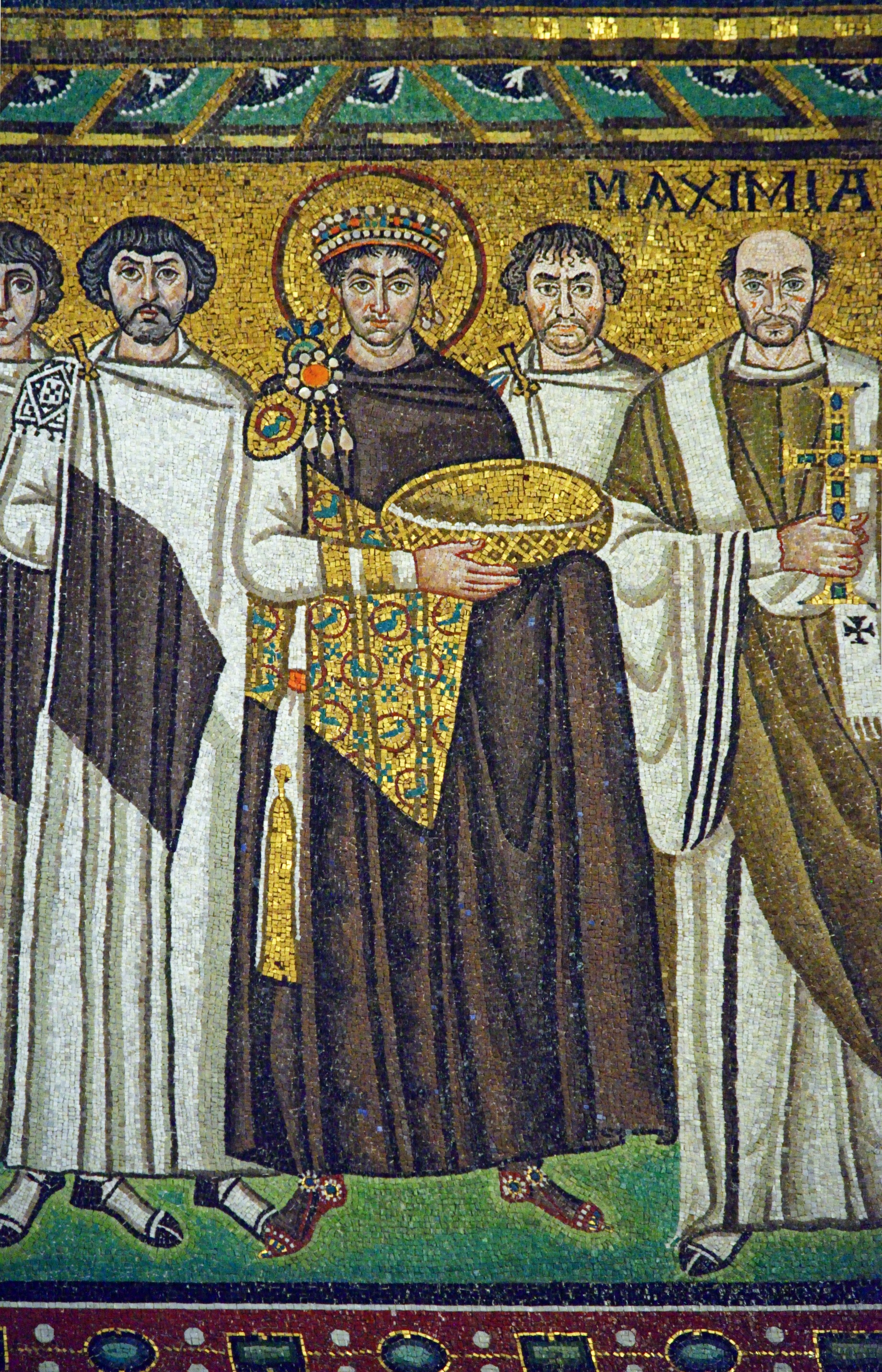
The second volume of J.B. Bury's authoritative history of the Eastern Empire, covering the reigns of Anastasius, Justin I, and Justinian — including the great reconquests of Africa and Italy under Belisarius and Narses.
![Author Schaffers, Nestor, 1826-1896 (viaf)302528355 Title [photograph] Portrait of Henri Pirenne (1862-1935), historian, professor at the Faculty of Arts and Philosophy and rector of Ghent University during the academic years 1919-1920 and 1920-1921. Description 1 photo ; 9.1 x 5.6cm (10.4 x 6.2cm). Publisher Gand : Nestor Schaffers, ca. 1890.](https://analectastoa.com/Portret_van_Henri_Pirenne.jpg)
Pirenne's landmark posthumous argument that the Islamic conquest of the Mediterranean, not the Germanic migrations of the fifth century, ended the ancient world and inaugurated the Middle Ages.
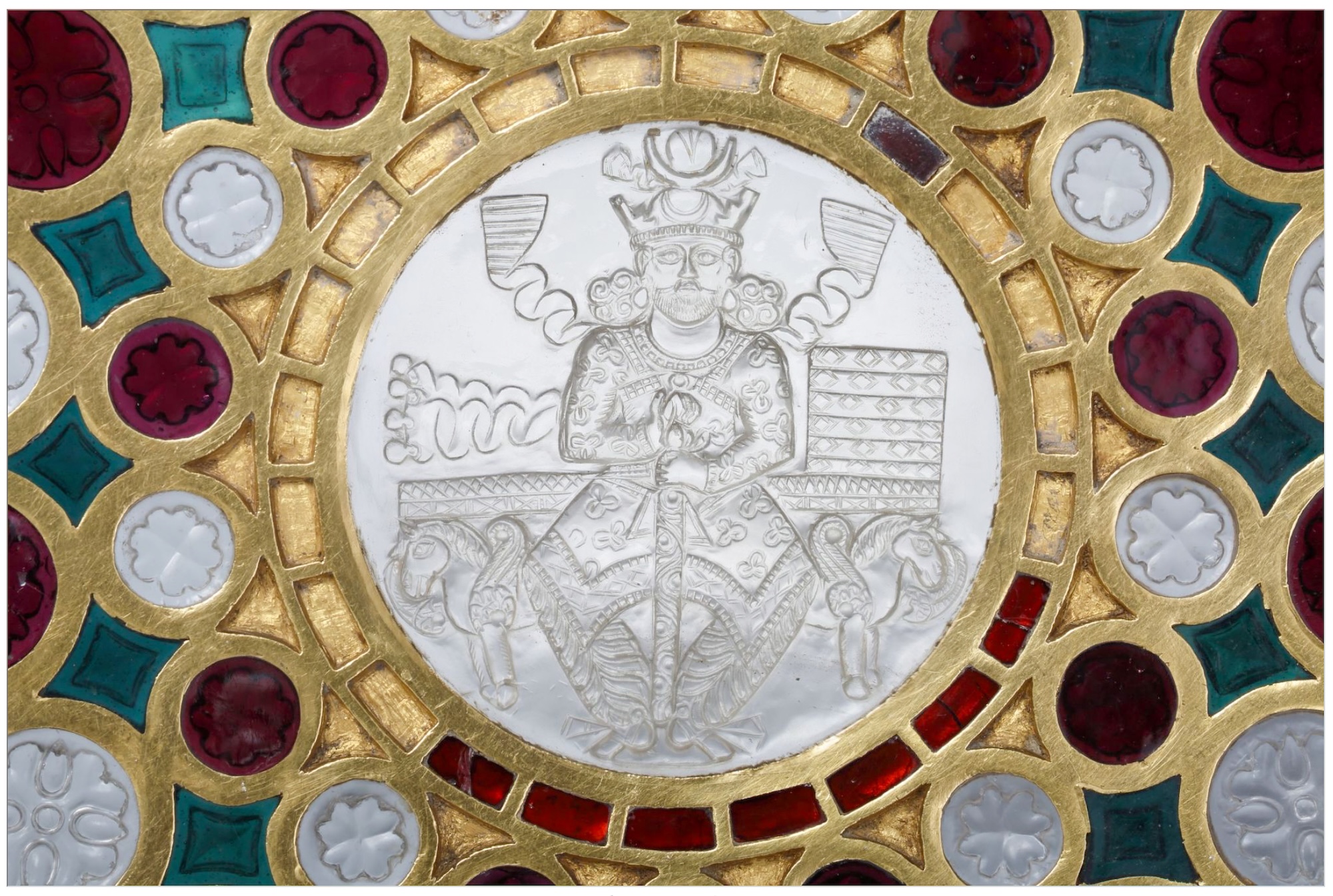
Reading companion for Vol. V of The History of al-Ṭabarī — covering the Sāsānid empire, Byzantium, the Lakhmid client kingdom, and pre-Islamic Yemen — in the annotated translation by Clifford Edmund Bosworth (SUNY Press, 1999).
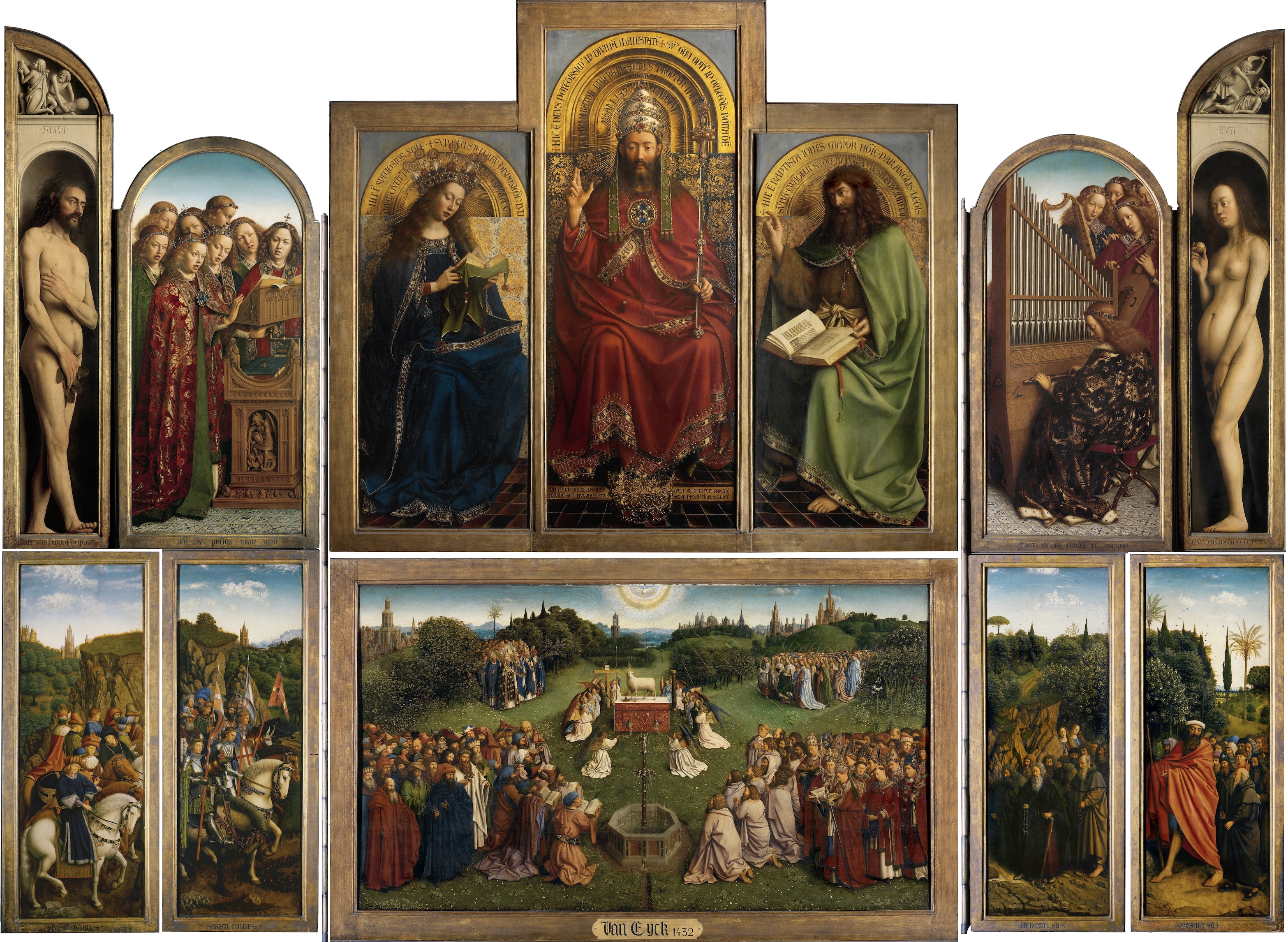
Johan Huizinga's masterwork on the cultural life of France and the Low Countries in the fourteenth and fifteenth centuries — a portrait of medieval civilization not in its rise but in its richest, most elaborate, and most melancholy flowering.