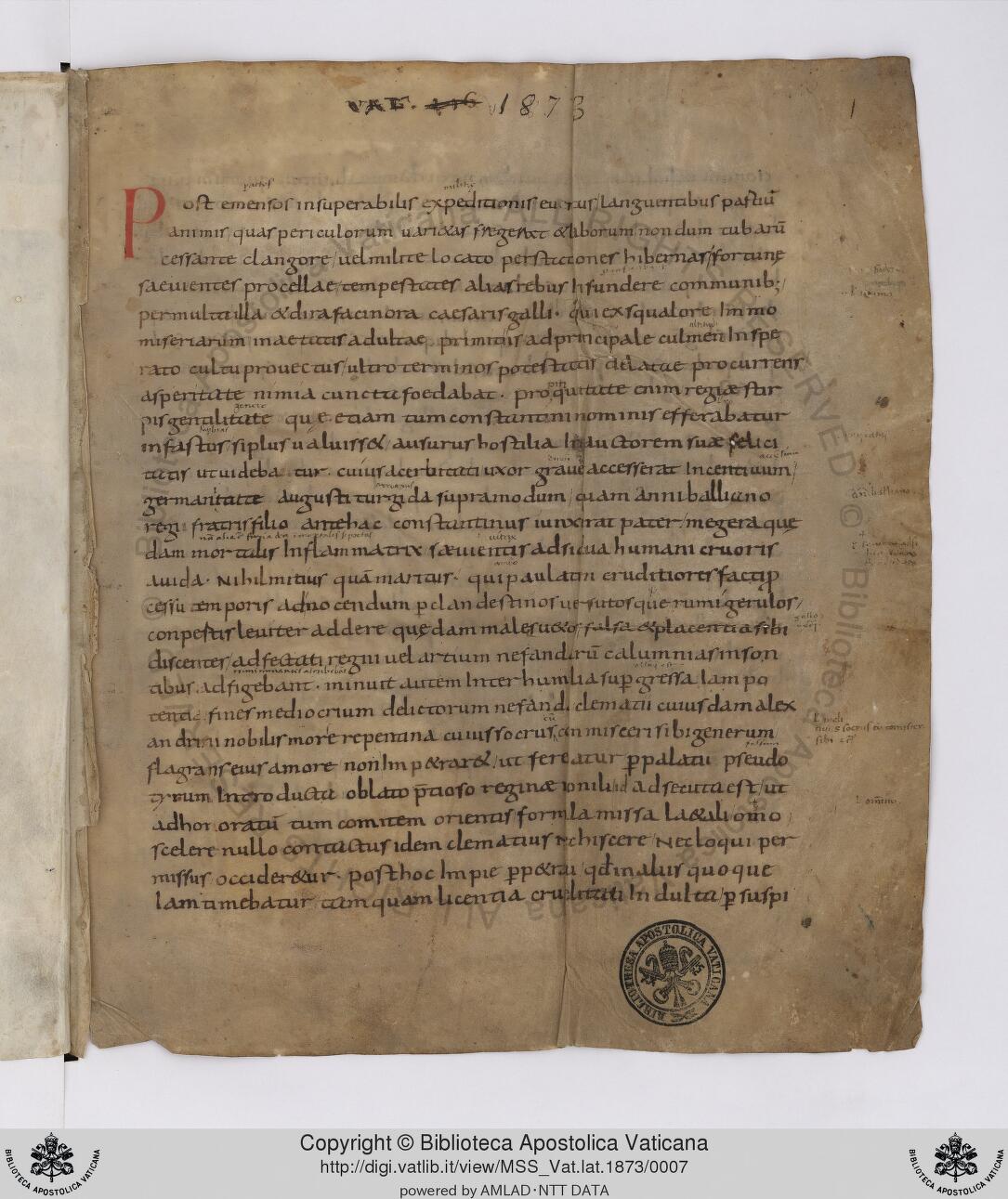
Cover of the 1935 Loeb Classical Library edition of Ammianus Marcellinus, Vol. 1 (Books XIV–XIX), translated by John C. Rolfe. Harvard University Press and William Heinemann Ltd.

Res Gestae (Ammianus Marcellinus, Rolfe Translation)

Full text of Ammianus Marcellinus' Res Gestae in the Loeb Classical Library edition (vols. 300, 315, 331), translated by John C. Rolfe — the standard 20th-century English rendering of the last great Latin historian of Rome.
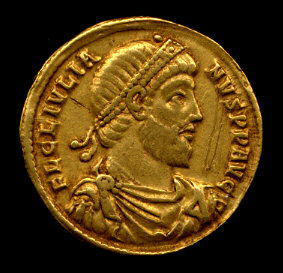
Gold Solidus of Julian (361–363), Byzantine, 361–363, Gold, The Metropolitan Museum of Art, New York — Gallery 301. Struck during the brief but consequential reign of Julian the Apostate, this gold solidus reflects the enduring power of Roman imperial coinage at a pivotal moment of transition. The emperor's portrait — rendered with classical precision on the obverse — evokes Julian's deliberate effort to revive pre-Christian Roman traditions, positioning himself as a philosopher-emperor in the mold of Marcus Aurelius. The solidus, introduced by Constantine I, had by this period become the backbone of Mediterranean commerce, its consistent gold purity a guarantee of imperial authority across vast distances. This coin stands as both a monetary instrument and a miniature monument — a gilded testament to a reign that lasted little more than two years, yet left an indelible mark on the history of the late Roman world.

Against the Galileans

Reading companion and full text of Contra Galilaeos — Emperor Julian's philosophical polemic against Christianity, preserved in fragments through Cyril of Alexandria's rebuttal.

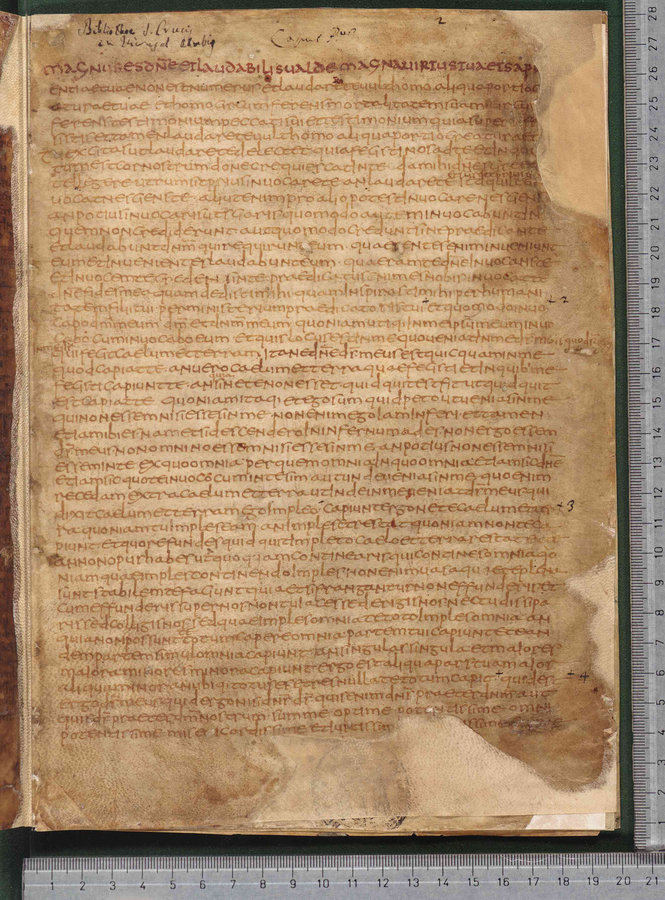
9th-century semi-uncial Latin manuscript page of Augustine's Confessions, the oldest known witness, with large display capitals and dense cursive text on aged parchment.

Confessions

A reading companion for Augustine's Confessions — the foundational autobiography of the Western spiritual tradition, exploring memory, time, restlessness, and the soul's return to God.

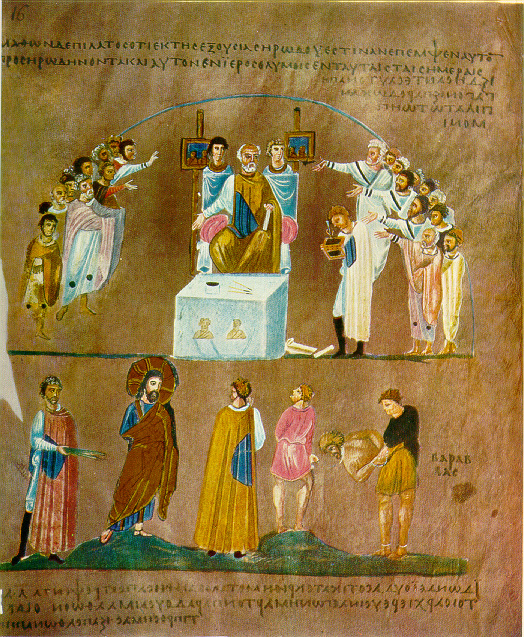
A Byzantine illuminated manuscript page depicting Christ before Pilate, from the Rossano Gospels, 6th century.

The Conduct of the Roman Government towards the Christians from the reign of Nero to that of Constantine

Chapter XVI of Edward Gibbon’s The History of the Decline and Fall of the Roman Empire examines the conduct of the Roman government toward the Christians from the reign of Nero to that of Constantine.

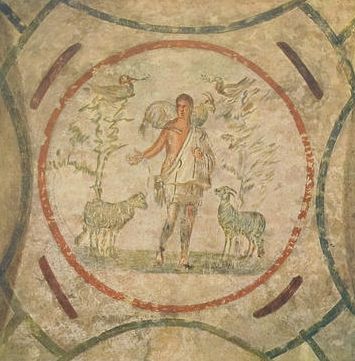
A fresco of the Good Shepherd from the Catacomb of Priscilla, Rome, 3rd century CE.

The Progress of the Christian Religion, and the Sentiments, Manners, Numbers, and Condition of the Primitive Christians

Chapter XV of Edward Gibbon's The History of the Decline and Fall of the Roman Empire examines the progress of the Christian religion and the sentiments, manners, numbers, and condition of the primitive Christians.

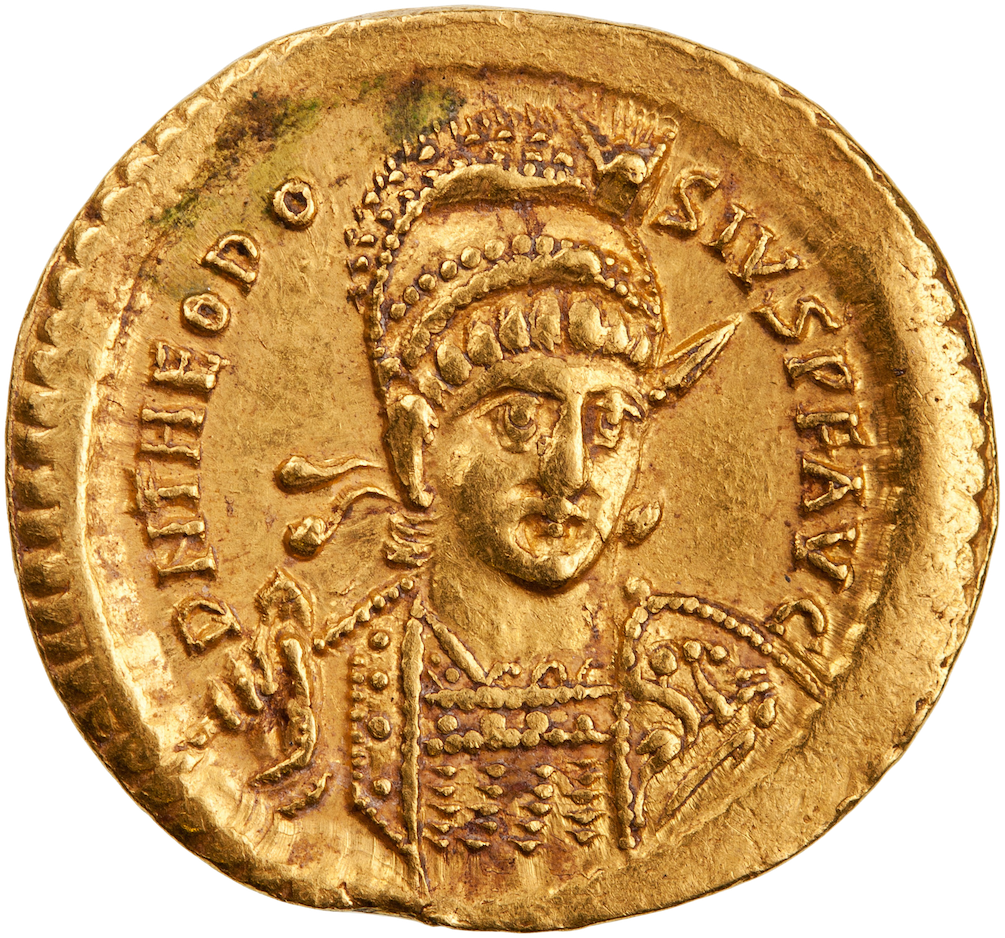
Gold Solidus of Theodosius II (425–429 AD).

History of the Later Roman Empire, Vol. 1

The first volume of J.B. Bury's authoritative history of the Later Roman Empire, covering the reigns from the death of Theodosius I through the accession of Anastasius — an age of barbarian pressure, dynastic crisis, and the definitive parting of East and West.

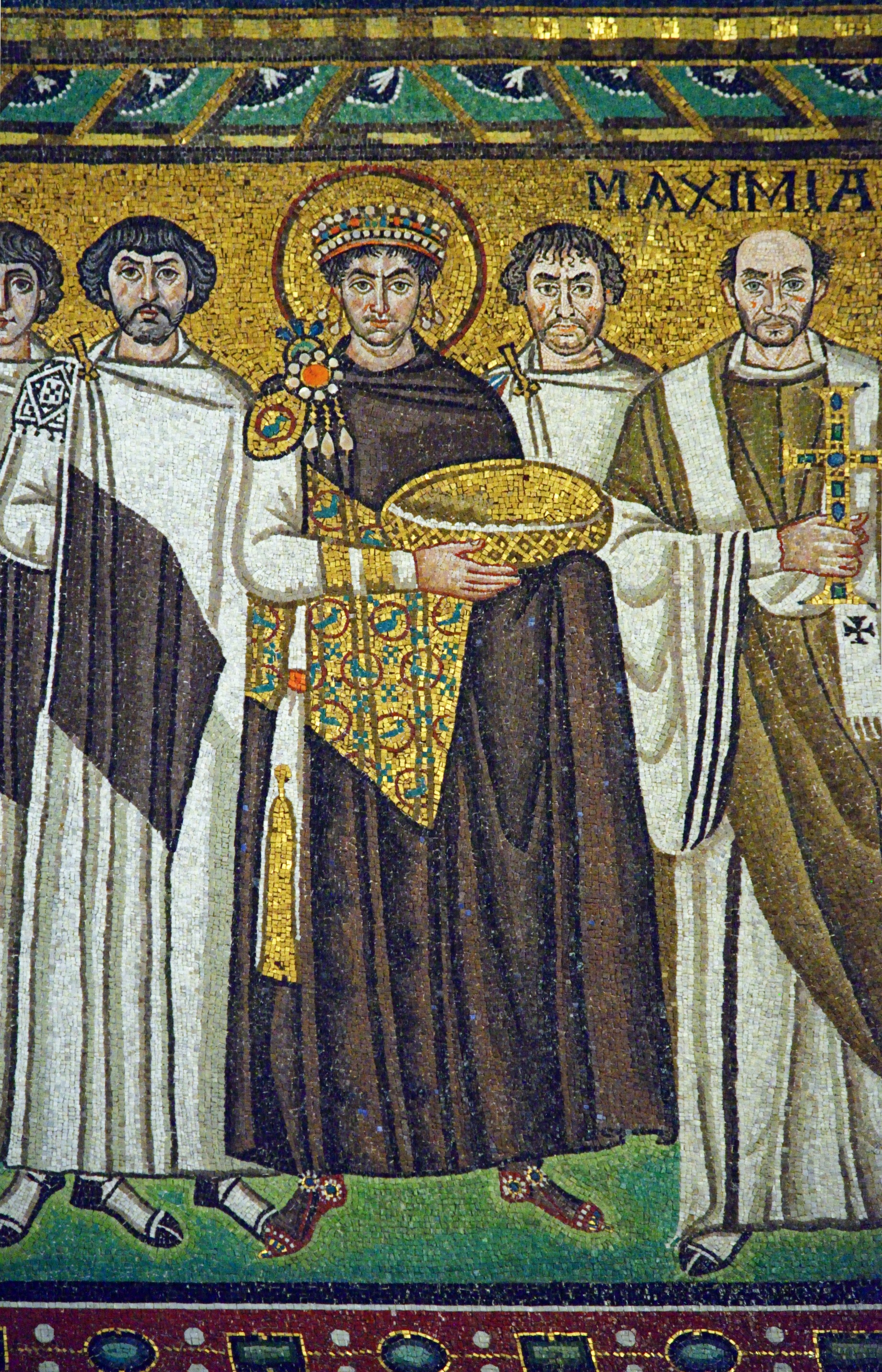
Emperor Justinian I and his retinue. Detail of the apse mosaic, Basilica of San Vitale, Ravenna, Italy, c. 547 AD.

History of the Later Roman Empire, Vol. 2

The second volume of J.B. Bury's authoritative history of the Eastern Empire, covering the reigns of Anastasius, Justin I, and Justinian — including the great reconquests of Africa and Italy under Belisarius and Narses.