Overview
Published in 1832 by Oxford University Press, Henry Cotton's The Five Books of Maccabees in English represents a monumental effort to centralize the disparate historical accounts of the Hasmonean era. While the first two books of Maccabees are well-known through the Biblical Apocrypha, Cotton’s volume provides English readers with the third, fourth, and fifth books, offering a panoramic view of Jewish resistance, martyrdom, and political intrigue from the 2nd century BCE through the early Roman period.
Cotton's work is characterized by its rigorous academic framework, featuring a preliminary memoir for each book and extensive critical notes that reconcile linguistic differences between the Greek and Syriac versions. It serves as a vital bridge between biblical history and the secular historiography of Josephus.
The Editor
Henry Cotton (1789–1879) was an English divine and bibliographer, educated at Christ Church, Oxford. As the sub-librarian of the Bodleian Library and later the Archdeacon of Cashel, Cotton possessed a deep familiarity with rare manuscripts and early printed bibles. His expertise in bibliography is evident in the meticulous cross-referencing found in this volume. Cotton viewed the Maccabean literature not just as religious text, but as essential historical documentation for understanding the transition of the Jewish state under Hellenistic and Roman pressure.
Composition and Transmission
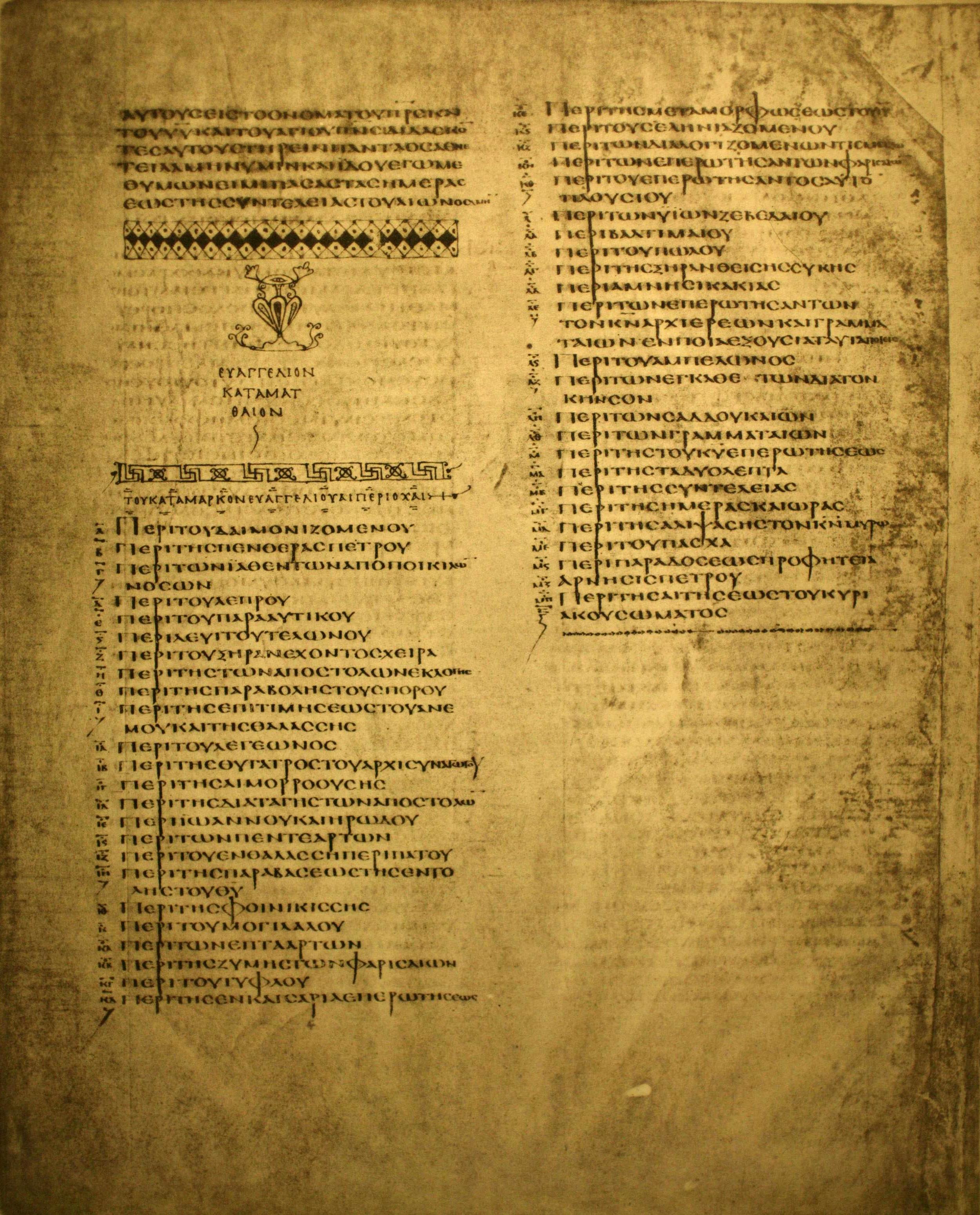
Cotton's translation philosophy was to remain as faithful to the source texts as possible while ensuring the English was "plain and intelligible." He drew heavily from the Codex Alexandrinus and the Codex Vaticanus for the Greek texts, and utilized the Syriac versions for the First and Second books to resolve textual ambiguities.
His inclusion of the "Fifth" book was particularly noteworthy for the time, as it was largely unknown to the general English public and required synthesis from various Eastern manuscripts, including Arabic versions. The work includes extensive marginal notes comparing his translations with the Authorized Version and other historical commentaries.
Books
First Book of Maccabees
Regarded as the most historically reliable, this book covers the period from the accession of Antiochus IV Epiphanes (175 BCE) to the death of Simon Maccabeus (135 BCE). It provides a sober, chronological account of the military exploits of Judas Maccabeus and his brothers in their quest for religious liberty.
Second Book of Maccabees
Unlike the first, this book focuses on the spiritual and theological dimensions of the revolt. It emphasizes the martyrdom of the faithful and divine intervention, acting as an abridgment of a larger, now-lost work by Jason of Cyrene. Cotton’s notes here are particularly focused on the Greek rhetorical style and the theological implications of the text.
Third Book of Maccabees
Despite its name, this book predates the Maccabean revolt, describing an earlier persecution of Jews in Egypt under Ptolemy IV Philopator. It is a narrative of miraculous deliverance from a threat of execution by elephants in the hippodrome of Alexandria, serving as an "apology" for the Jewish faith in a Hellenistic context.
Fourth Book of Maccabees
A philosophical discourse or "encomium" that uses the martyrdoms of the Maccabean period to illustrate the Stoic-influenced theme that "pious reason is master over the passions." Cotton provides a translation that captures the elevated, rhythmic prose of the original Greek, emphasizing the intellectual rigour of the author.
Fifth Book of Maccabees
Often referred to as the "Arabic History of the Maccabees," this book continues the narrative from the time of Heliodorus to the final years of Herod the Great. It is highly significant for providing a Jewish perspective on the events also covered by Josephus, though with distinct variations in detail and tone regarding the fall of the Hasmonean house.
Key Themes
Religious Zeal vs. Hellenization. The central conflict between traditional Jewish law and the encroaching cultural and political influence of the Seleucid Empire. Cotton highlights the tension between those who sought accommodation and those who chose armed resistance.
The Theology of Martyrdom. The introduction and development of the concept that the death of the righteous serves as an atonement for the nation, a theme that becomes central in Book IV.
Hasmonean Legitimacy. The transition of the Maccabean family from rebel leaders to a ruling dynasty (the Hasmoneans), and the moral complexities and internal strife that accompanied their rise to power and eventual decline under Roman influence.
Further Reading
- Schürer, Emil. The History of the Jewish People in the Age of Jesus Christ. A definitive historical context for the era Cotton documents.
- Bartlett, John R. The First and Second Books of Maccabees. (Cambridge Bible Commentary).
- deSilva, David A. 4 Maccabees: Introduction and Commentary on the Greek Text in Messianic Perspective.